
COLD WEATHER DAMAGE IN SMOKY MOUNTAIN HOMES: WHAT TO CHECK BEFORE SPRING
Published: February10, 2026
Winter in the Smoky Mountains can be beautiful, but cold temperatures, moisture, and changing weather conditions can quietly affect a home. By the time spring arrives, some issues may already be developing beneath the surface.
As home inspectors, we often see small winter-related problems turn into larger concerns simply because they went unnoticed. Knowing what to look for after cold weather can help homeowners and buyers make informed, confident decisions before the busy spring season begins.
Professional home inspection services in the Smoky Mountains can help identify visible conditions involving roofing, plumbing, exterior materials, crawl spaces, and heating systems.
Why Winter Weather Can Affect Homes in the Smoky Mountains
Homes in mountain areas experience a unique mix of cold temperatures, moisture, and elevation-related weather changes. Freeze-thaw cycles can cause materials to expand and contract, while snow, ice, and winter rain increase the risk of moisture intrusion.
Many homes in this region—including cabins and vacation properties—also sit vacant for parts of the winter. When systems aren’t monitored regularly, minor issues can develop unnoticed until spring.
Exterior Areas to Check After Winter
A good post-winter walk-around can reveal early signs of damage.
Roofing and flashing:
Look for missing, cracked, or shifted shingles. Flashing around chimneys and roof penetrations can loosen during freeze-thaw cycles.
Gutters and drainage:
Ice and debris can pull gutters out of alignment. Downspouts should direct water away from the foundation to prevent moisture problems.
Siding, trim, and foundations:
Check for cracked siding, peeling paint, or gaps around trim. Small openings can allow moisture to enter during winter weather.
Decks and porches:
Mountain decks take a beating in winter. Look for loose boards, weakened railings, or signs of moisture damage.
Interior Issues Homeowners Often Miss
Some winter-related concerns are easier to spot indoors once temperatures warm up.
Plumbing concerns:
Frozen or partially frozen pipes can develop small cracks that may not leak immediately. Watch for staining, damp areas, or changes in water pressure.
Attics and insulation:
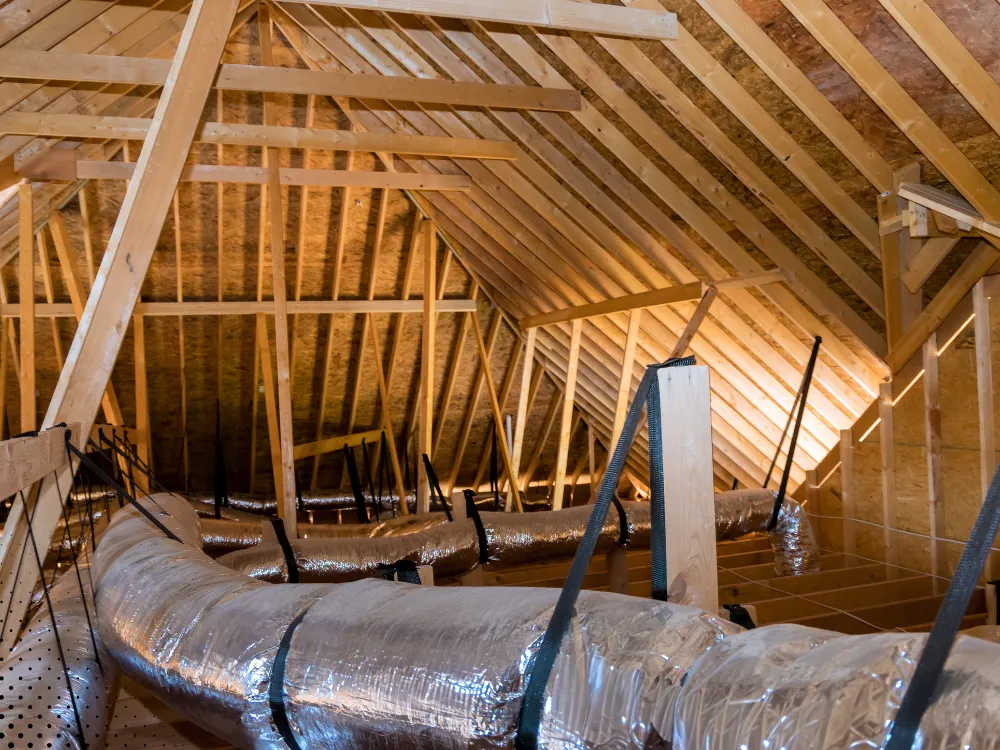
Inconsistent insulation or ventilation can lead to moisture buildup. Attics are a common place where inspectors find condensation-related issues after winter.
Moisture intrusion:
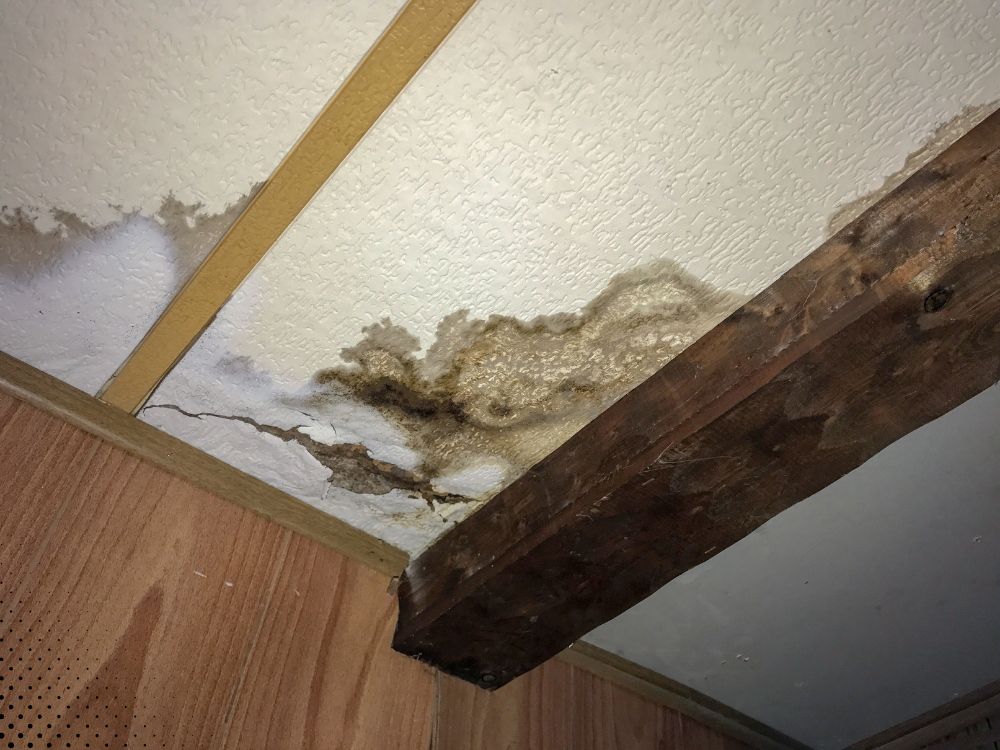
Discoloration on ceilings or walls can indicate minor leaks that occurred during snowmelt or heavy winter rain.
Heating systems:
After months of use, heating equipment may show signs of wear that are best addressed before the next cold season.
What Home Inspectors Commonly Find in Early Spring
Early spring inspections often reveal issues that started small during winter:
Minor roof damage that allowed moisture intrusion
Plumbing stress from freezing temperatures
Moisture-related concerns in crawlspaces and attics
These findings don’t always mean major repairs are needed—but they do highlight the value of catching problems early.
Why This Matters for Gatlinburg Homeowners
In mountain communities like Gatlinburg, homes may serve as primary residences, vacation properties, or short-term rentals. Each type of use comes with different risks during winter months.
A post-winter inspection helps homeowners understand how their home handled the season and what maintenance may be needed before summer humidity arrives. For buyers, it offers clarity before committing to a mountain property.
What Homeowners and Buyers Should Do Next
You don’t need to be an expert to take smart next steps.
Perform a visual check inside and outside your home
Address visible maintenance issues promptly
Consider a professional home inspection before buying, selling, or planning repairs
An inspection provides a clear, unbiased look at the home’s condition—helping you prioritize maintenance and move forward with confidence.
Common Questions Buyers Ask
Is winter damage always obvious?
No. Some issues, especially moisture-related ones, may not be visible without a professional evaluation.
Should I wait until spring to inspect?
Early spring is often an ideal time because winter-related issues are easier to identify.
Are mountain homes more vulnerable?
They can be, due to weather exposure and seasonal use, which is why regular inspections are important.
If you’re preparing for spring or considering a home purchase, a professional inspection can help you understand how a property handled the winter season. You can learn more about our local inspection services at https://homeinspectionsgatlinburgtn.com/, or schedule an inspection here when you’re ready:
https://accuspecinspections.com/schedule-now